
 +44 7887081915




How to Hire Remote Developers: A Complete Guide for Businesses
IT Staff Augmentation
 By Gomilestone
 Sep 22, 2026
Introduction
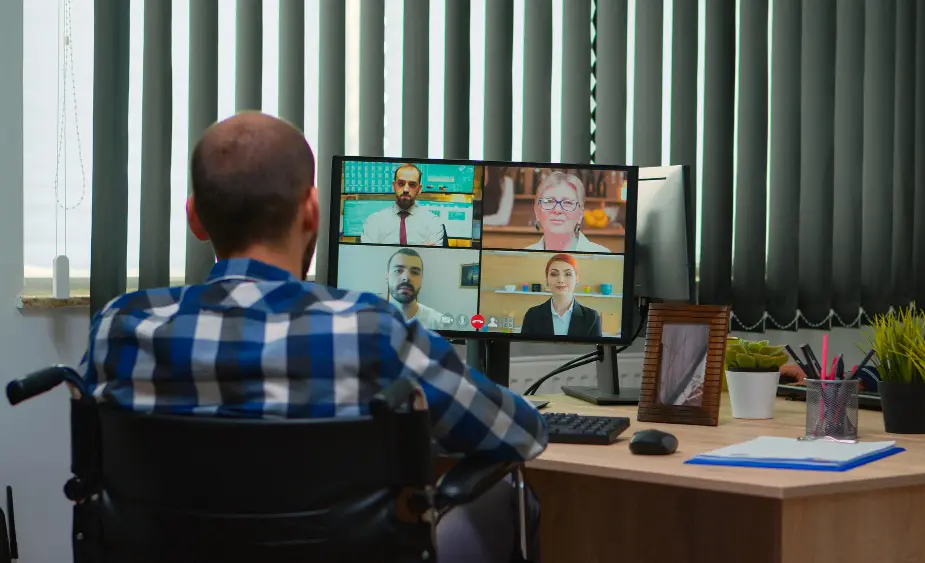
Hiring remote developers can help businesses add technical capacity without expanding a permanent local team.
The process works best when the company clearly defines its technical needs, evaluates candidates against the project, establishes communication practices, and chooses an engagement model that matches the workload. Businesses can also explore IT Staff Augmentation Services when they need remote professionals to work as an extension of their existing team.
Define What You Need Before Hiring
Start with the product stage, project scope, technology stack, expected responsibilities, seniority, number of resources, timeline, and working hours. A clear requirement makes it easier to identify suitable developers and reduces the risk of hiring for the wrong skill set. For broader product requirements, businesses can also consider Custom Software Development and Software Development Services.
Which Remote Developers Can You Hire?
- Frontend developers for interfaces and web applications.
- Backend developers for APIs, databases, business logic, and integrations.
- Full-stack developers for end-to-end product development.
- Mobile app developers for iOS, Android, React Native, or Flutter projects. Relevant Mobile App Development support can be considered for mobile-focused projects.
- QA and automation engineers for functional, regression, and automated testing.
- DevOps and cloud engineers for infrastructure, CI/CD, deployment, and monitoring. Businesses can also explore Cloud & DevOps Solutions for related requirements.
- Specialists in AI, data, UI/UX, and other technology areas based on project requirements. For design-focused requirements, see UI/UX Design.
How to Evaluate Remote Developers
- Technical skills relevant to your stack.
- Previous project experience that matches your product requirements.
- Problem-solving and debugging ability.
- Code quality and development practices.
- Communication and collaboration skills.
- Ability to work with your tools, processes, and documentation standards.
- Availability and timezone compatibility.
Remote Developer Hiring Process
- Step 1: Define the role and project requirements.
- Step 2: Shortlist developers based on technology and experience.
- Step 3: Review portfolios, project history, and relevant technical work.
- Step 4: Conduct technical and communication interviews.
- Step 5: Validate availability, engagement terms, and expected working hours.
- Step 6: Onboard the selected developer into repositories, communication tools, documentation, and project workflows.
How to Manage Remote Developers Effectively
Remote development works better when responsibilities, communication channels, sprint routines, code review processes, documentation, and reporting expectations are defined from the beginning. Teams should also establish access controls and security practices appropriate to the project.
Remote Developers Through IT Staff Augmentation
Staff augmentation allows remote developers to work as an extension of an existing team. GoMilestone’s IT Staff Augmentation service describes remote IT professionals working with clients’ preferred communication, collaboration, and project-management tools and supporting both short-term and long-term requirements.
Why Use GoMilestone for Remote Developers?
GoMilestone positions its IT staff augmentation service around pre-vetted professionals, flexible scaling, direct resource control, and multiple technology roles. The page lists dedicated developers, UI/UX designers, cloud and DevOps engineers, QA testers, AI and data engineers, and MVP/SaaS developers. Learn more through IT Staff Augmentation Services.
Frequently Asked Questions
How do I hire remote developers for my project?
Define your technology stack, role, experience level, project scope, timeline, and working requirements. Then shortlist suitable developers, assess technical capability and communication, and onboard the selected resource into your workflow.
What skills should I look for in a remote developer?
Look for relevant technical skills, project experience, problem-solving ability, code quality, communication, collaboration, availability, and familiarity with your development workflow.
Can I hire remote developers for short-term projects?
Yes. Remote developers can be engaged for short-term requirements as well as longer product-development initiatives, depending on the engagement model and resource availability.
How do remote developers collaborate with in-house teams?
They can use the same communication, project management, source-control, documentation, and development tools as the internal team. Clear responsibilities and regular communication are important.
What types of remote developers can I hire?
Businesses can hire frontend, backend, full-stack, mobile, QA, DevOps, cloud, AI, data, and other specialized technology professionals based on project requirements.
How does IT staff augmentation help with remote developer hiring?
Staff augmentation provides access to external professionals who can integrate with an existing team while the client retains control over priorities, tasks, and development workflows. It can also make it easier to scale resources as requirements change. Learn more about IT Staff Augmentation Services.
The Bottom Line
Choosing remote developers works best when requirements, technical evaluation, communication, availability, and onboarding are clearly defined. Businesses can use IT Staff Augmentation Services when they need remote professionals to work as an extension of their existing team.
Recent Knowledge Series


Follow Us


Have an Idea? Let's Build It Together
Transform your vision into reality with our expert development team. We're ready to bring your digital products to life.
- Free Consultation
- No Obligation Quote
- 24/7 Support


🌍 Clients Across 15+ Countries
Trusted globally by businesses worldwide