 +44 7887081915




Energy Management Software: Features, Benefits & How It Improves Energy Efficiency

Energy And Power
 By Gomilestone
 Sep 26, 2026
Energy costs, operational efficiency, sustainability targets, and growing volumes of energy data are pushing organisations toward more structured energy management. Energy management software provides a central way to collect, monitor, analyse, and act on energy information.
What Is Energy Management Software?
Energy management software is a digital platform used to collect energy data, monitor consumption and performance, identify patterns or anomalies, and support operational decisions.
Benefits of Energy Management Software
Key benefits can include better visibility into energy consumption, faster identification of unusual usage, improved reporting, more informed operational decisions, support for efficiency initiatives, and a centralised view across sites or assets.
- Better visibility into energy consumption
- Faster identification of unusual usage
- Improved energy reporting and benchmarking
- More informed operational decisions
- Support for energy-efficiency initiatives
Key Features of Energy Management Software
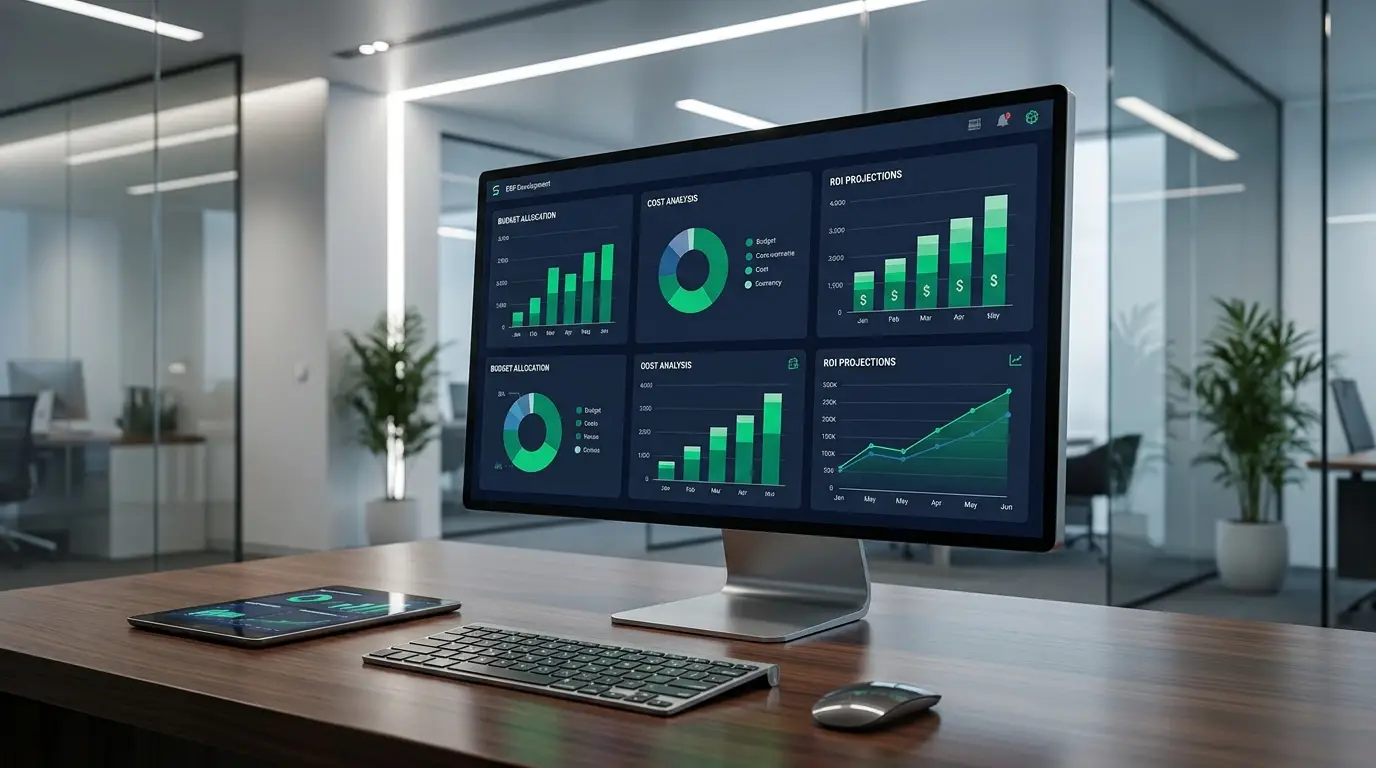
Important features can include real-time energy monitoring, consumption dashboards, alerts and thresholds, historical analysis, energy reporting, meter and IoT integration, benchmarking, role-based access, data export, and analytics.
Real-Time Energy Monitoring
Real-time monitoring helps users see current consumption and operational conditions instead of relying only on periodic reports.
Energy Analytics and Forecasting
Analytics can reveal consumption trends, compare performance across locations or assets, and support forecasting.
How Energy Management Software Improves Efficiency
The software itself does not reduce energy use automatically in every environment. Its value comes from visibility, alerts, analysis, and workflows that help teams identify waste, investigate anomalies, measure performance, and take corrective action.
IoT and Smart Meter Integration
Integrating smart meters, sensors, and connected equipment can provide more detailed data for monitoring and analysis.
Reporting and Sustainability Management
Centralised reporting can support energy-performance reviews and sustainability programs by giving teams consistent data, historical trends, and measurable indicators.
How to Choose an Energy Management Software Solution
Start by identifying assets, meters, data sources, users, reporting needs, integrations, and operational goals. Evaluate data accuracy, scalability, security, dashboards, APIs, and support.
GoMilestone Energy Management Solutions
GoMilestone’s Power & Energy IT Solutions page describes Energy Management Systems that help track, analyse, and optimise energy consumption through intelligent dashboards and reporting tools. Its broader offering also includes IoT-based monitoring and data analytics/forecasting.
Conclusion
Energy management software creates a structured layer between energy data and operational decision-making. The right platform should match the organisation’s data sources, workflows, users, reporting needs, and long-term efficiency goals.
Frequently Asked Questions
What is energy management software?
It is software used to collect, monitor, analyse, and report on energy consumption and performance.
What are the benefits of energy management software?
Benefits can include better visibility, faster identification of unusual consumption, improved reporting, data-driven decisions, and support for energy-efficiency initiatives.
Can energy management software integrate with smart meters?
Yes. Smart-meter and IoT integrations can provide more granular energy data for monitoring and analysis, depending on the systems and interfaces available.
Recent Knowledge Series

Follow Us


Have an Idea? Let's Build It Together
Transform your vision into reality with our expert development team. We're ready to bring your digital products to life.
- Free Consultation
- No Obligation Quote
- 24/7 Support


🌍 Clients Across 15+ Countries
Trusted globally by businesses worldwide